Keynote
Designing Between Two Intelligences
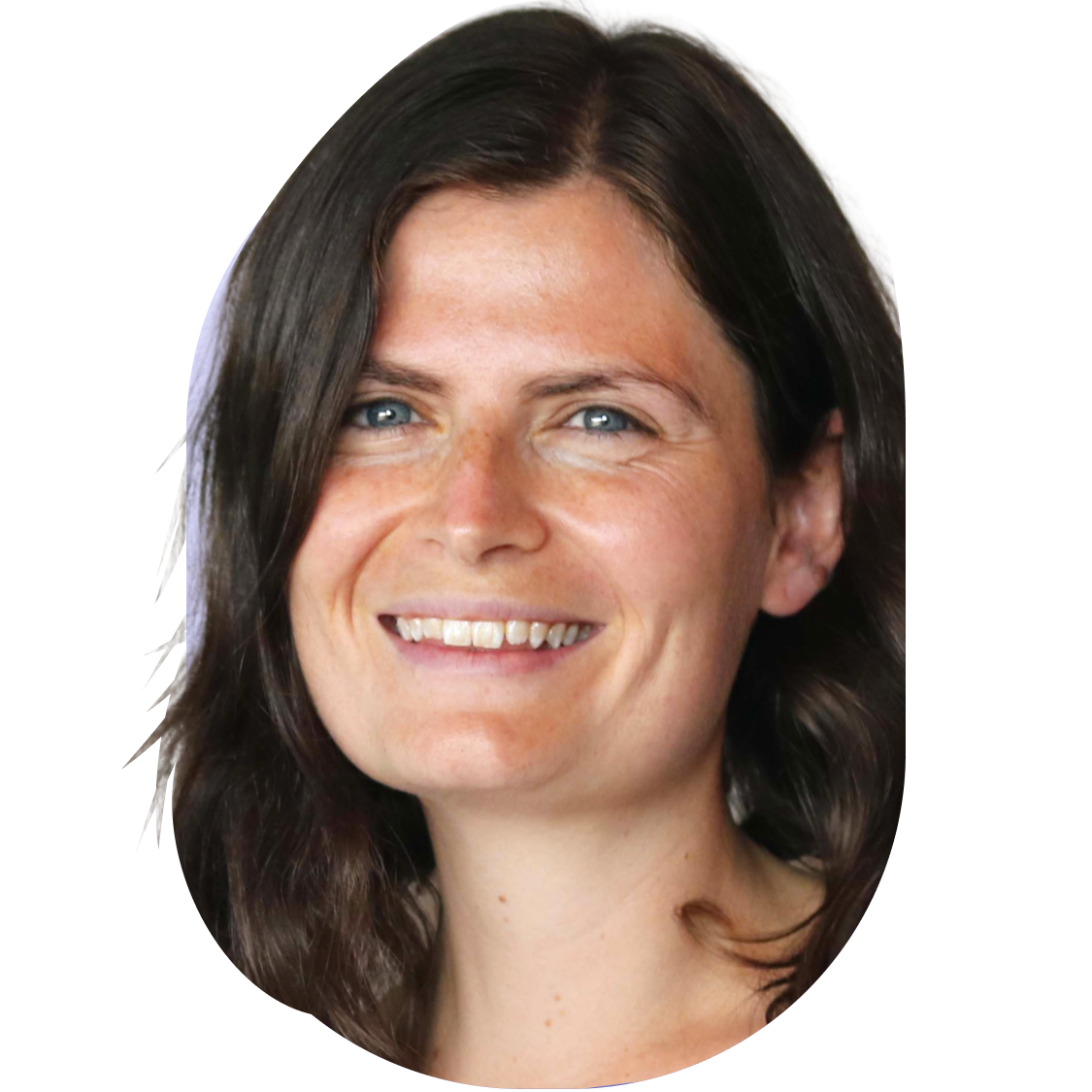
Chelsea Larsson
Head of Content Design · Anthropic
Simplicity has always been difficult (Steve Jobs thought so too), even if we don't always acknowledge it. It's tempting to believe that clarity should come naturally, but in practice, it rarely does.
Today, simplicity isn't just hard. It's harder than ever.
As AI dramatically lowers the cost of creating, iterating and shipping, our products are becoming more capable, but also more complex. Every new feature, personalized experience and AI-powered interaction has the potential to add value, but it also adds cognitive load, inconsistency and friction.
The challenge is no longer whether we can build something. It's whether we should.
Like entropy, complexity naturally accumulates unless we actively shape it.
This talk explores why one of the most valuable roles of design is to bring clarity and coherence to that growth.
Drawing on lessons from leading design teams and building products at scale, we'll look at why complexity is the default outcome, why organizations struggle to manage it and how craft is increasingly defined not just by what we create, but by how we shape it into something people can actually understand and use.
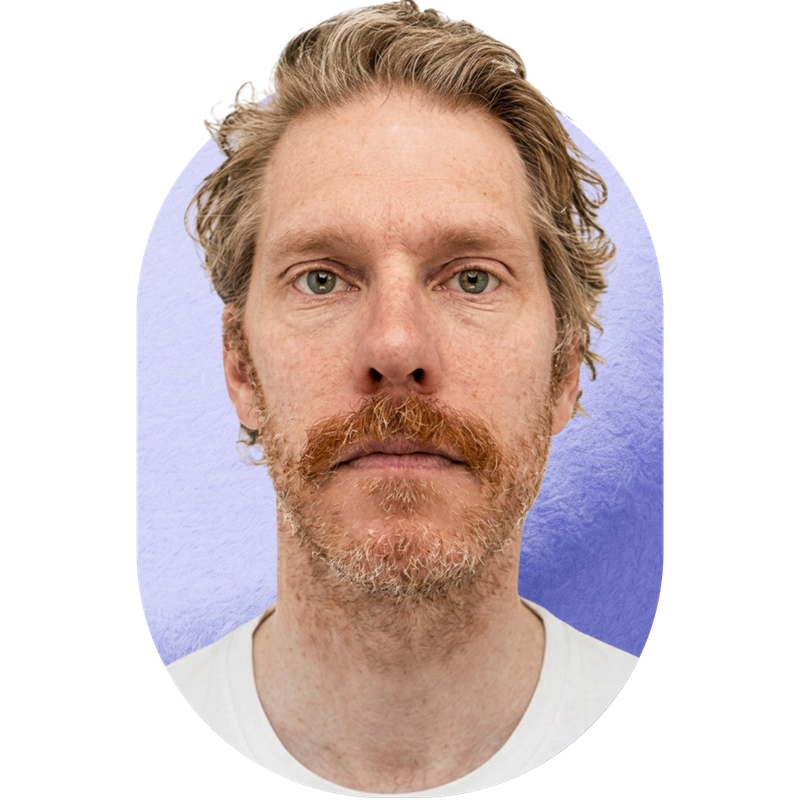
Kris Hedstrom
Head of UX Design & Research

Kris Hedstrom just wants things to be simple. As Head of UX/UI Design at On, he leads the teams shaping the company's digital experiences across web, app and commerce.
Over the course of his career, he has worked across startups, big tech and global consumer brands, helping teams turn complexity into clarity through design. Most of his time is spent helping teams make better product decisions and turning ambitious ideas into experiences people actually enjoy using.
Outside of work, he's usually training for his next race or wondering why he signed up for it in the first place.